AI in Cardiovascular Innovation: From Technology to Regulatory-Ready Evidence
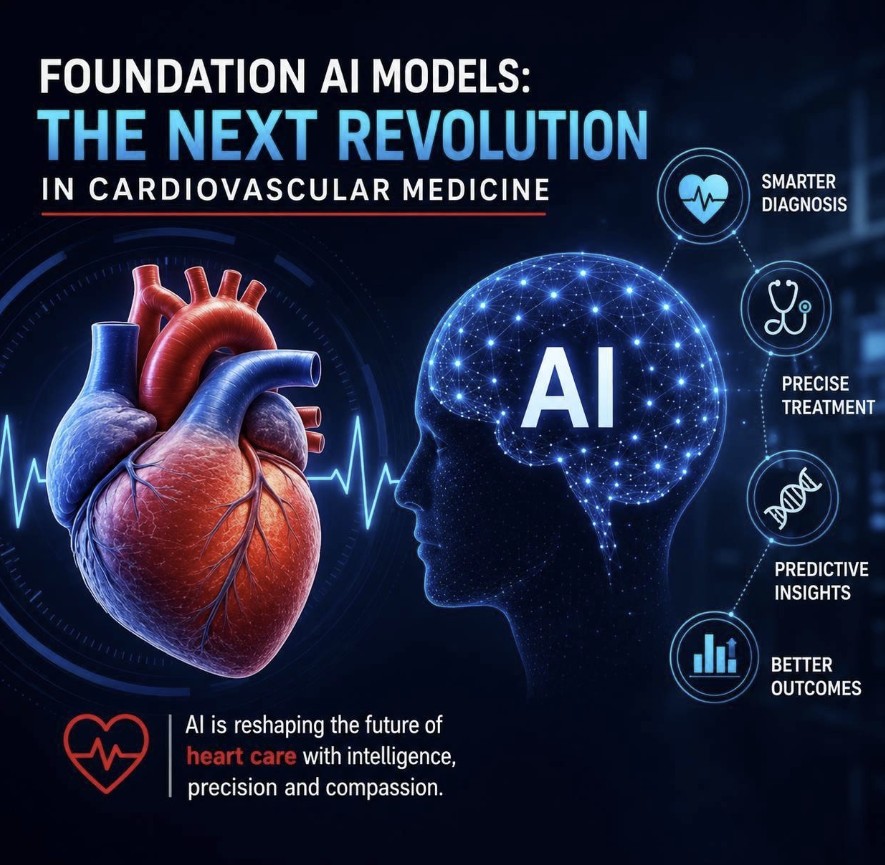
Artificial Intelligence (AI) is rapidly transforming cardiovascular drug development and medical device innovation—from patient selection and endpoint adjudication to medical imaging and real-world data analysis. But the real question is no longer: “Can we use AI?” It is: “Can we demonstrate that AI is reliable, clinically meaningful and fit for its intended regulatory purpose?” Key regulatory considerations for AI-enabled development 🔹 Fit-for-purpose validationValidation should reflect the intended use, patient risk and regulatory impact—not simply algorithmic performance. 🔹 Data quality mattersAI performance is fundamentally dependent on the quality, relevance and representativeness of the underlying data. 🔹 Human oversight remains criticalFor high-impact decisions, a human-in-the-loop approach can combine AI efficiency with clinical expertise. 🔹 Transparency & explainabilityAI outputs should be clinically interpretable and aligned with established scientific and clinical criteria. 🔹 Lifecycle managementModel performance, data drift, updates and changes require ongoing monitoring and controlled change management. 🔹 Regulatory documentationDevelopment, validation, data processing, performance monitoring and decision-making processes should be appropriately documented and audit-ready. The opportunity When implemented responsibly, AI can accelerate innovation, improve efficiency and generate richer clinical evidence—without compromising safety, quality or scientific integrity. At Comvatech, we believe regulatory strategy should evolve alongside technology—not after it. AI may drive the innovation.Regulatory science builds the confidence to bring it to patients.
EMA Updates the CTIS Sponsor Handbook (v6.2): What Clinical Trial Sponsors Need to Know

The European Medicines Agency (EMA) has released Version 6.2 of the Clinical Trials Information System (CTIS) Sponsor Handbook, providing updated operational guidance for sponsors using CTIS under the Clinical Trials Regulation (EU) No. 536/2014. While the update does not introduce new regulatory requirements, it incorporates practical clarifications based on sponsor feedback and real-world experience since CTIS became mandatory. What’s New in CTIS Sponsor Handbook v6.2? The latest handbook focuses on improving the sponsor experience by providing clearer guidance on managing clinical trial applications throughout their lifecycle. 1. New Integration with CTIS Sponsor FAQs A significant enhancement is the integration of references to the newly published CTIS Sponsor Frequently Asked Questions (FAQs). The FAQ document consolidates questions received through EMA’s CTIS Service Desk, walk-in clinics, and training sessions, providing sponsors with a more comprehensive operational resource. 2. Improved Guidance for Substantial Modifications The handbook now provides more detailed instructions on preparing and submitting Substantial Modifications (SMs). One important clarification is the use of the “Update” function when revising existing documents instead of adding duplicate files, helping sponsors maintain cleaner application histories and reduce validation issues. 3. Better Management of Non-Substantial Modifications Additional guidance has been added for handling Non-Substantial Modifications (NSMs), clarifying when updates should be managed within CTIS and how they fit into the overall trial lifecycle. 4. Enhanced Document Lifecycle Management Sponsors will benefit from expanded instructions covering: These enhancements are intended to improve submission quality and reduce administrative burden. 5. Updated CTIS Interface Guidance The handbook includes refreshed screenshots and navigation guidance that reflect the latest CTIS interface, making it easier for users to follow current workflows. What Has Not Changed? Importantly, Version 6.2 does not change the regulatory framework established by the Clinical Trials Regulation. There are no changes to: The update is operational rather than regulatory, aiming to improve consistency and efficiency in CTIS submissions. Why This Matters for Sponsors As CTIS continues to mature, efficient application management has become increasingly important. Sponsors that align their internal procedures with the latest EMA guidance can benefit from: How ComvaTech Can Help At ComvaTech, we help pharmaceutical, biotechnology, and clinical research organizations navigate evolving European clinical trial requirements. Our regulatory experts support sponsors with: Keeping pace with evolving operational guidance is essential for maintaining efficient and compliant clinical trial submissions. As EMA continues refining CTIS based on user experience, sponsors should regularly review updates and ensure internal procedures remain aligned with current expectations. Need support with CTIS submissions or clinical trial regulatory strategy? Contact ComvaTech to learn how our regulatory experts can help streamline your clinical development programs.’ CTIS Sponsor Handbook