EU Tracks Progress Towards 2030 Clinical Trial Targets in Europe
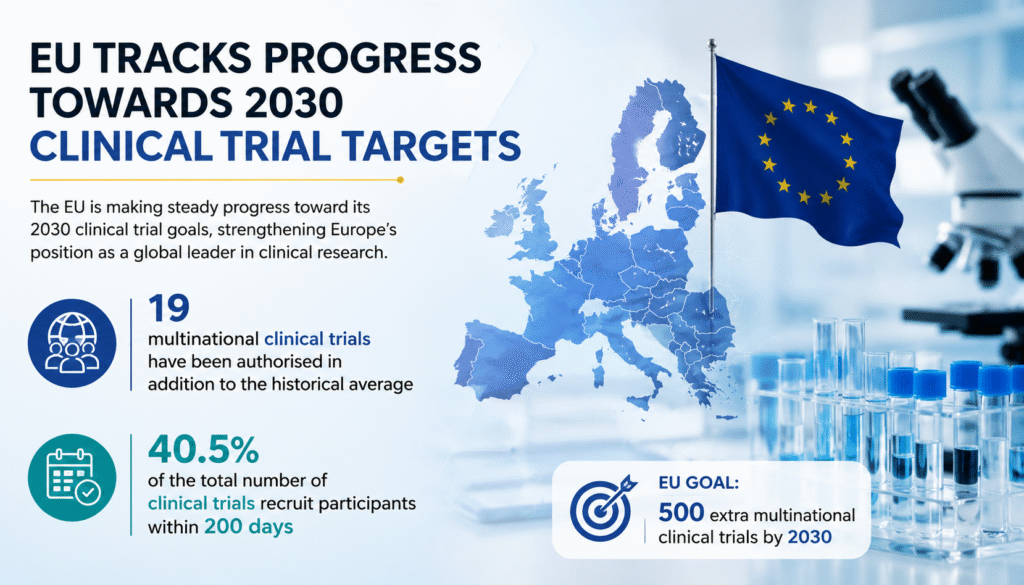
19 additional multinational clinical trials were authorised, and 40.5% of trials recruited participants within 200 days. The European Commission (EC), Heads of Medicines Agencies (HMA), and the European Medicines Agency (EMA) have published the first progress report on the EU’s 2030 clinical trial targets. The initiative is designed to strengthen Europe’s position as a leading hub for clinical research while accelerating patient access to innovative medicines and therapies. The report highlights encouraging early progress in the EU clinical trial landscape. Between January and March 2026, the EU authorised 19 additional multinational clinical trials above the historical average, supporting the long-term goal of achieving 500 extra multinational trials by 2030. Clinical trial recruitment timelines are also improving across Europe. Currently, 40.5% of clinical trials recruit participants within 200 days of application submission, reflecting ongoing efforts to streamline clinical trial processes and regulatory timelines within the EU. These clinical trial targets are aligned with the proposed EU Biotech Act and supported by initiatives such as FAST-EU, which focuses on accelerating multinational clinical trial evaluations across EU member states. The introduction of quarterly reporting marks an important step toward greater transparency, regulatory efficiency, and accountability in the European clinical research ecosystem. The initiative further reinforces the EU’s commitment to becoming a more competitive and attractive destination for high-quality clinical trials and pharmaceutical innovation.
UK Cannabis Reform in 2026: Where Does It Stand?

The UK cannabis reform debate in 2026 is increasingly evidence-driven and economically significant, yet national legislative change remains limited. As Europe’s cannabinoid sector matures, companies operating within compliant pharmaceutical and medical frameworks are best positioned to benefit from future regulatory evolution. For investors, pharmaceutical developers, and healthcare stakeholders, understanding the UK’s direction is essential as international markets particularly Germany continue to shape expectations for reform across Europe. Medical Cannabis in the UK: Legal but Restricted Access Since the legalisation of cannabis-based medicinal products (CBMPs) in 2018, the UK medical cannabis market has expanded through private clinics, with tens of thousands of patients now accessing treatment. However, NHS prescribing remains extremely limited, creating a persistent gap between legal access and affordability. High treatment costs continue to restrict patient access, while NHS England maintains a cautious stance due to limited large-scale clinical evidence. Regulatory oversight from the Medicines and Healthcare products Regulatory Agency (MHRA) remains conservative compared to peer markets such as Germany and the Netherlands. Political Outlook: Slow but Evolving Cannabis reform remains politically sensitive in the UK. While adult-use legalisation is not currently supported at government level, cross-party discussions and policy reviews have increased. Key arguments in favour of reform include: Public polling continues to show majority support for some form of cannabis reform, particularly for medical access expansion and decriminalisation. Germany’s Role in Shaping UK Policy Germany has become a leading reference point for European cannabis reform following its introduction of controlled adult-use regulations and structured commercial frameworks. For the UK, Germany’s model is significant because it: The outcome of Germany’s implementation is likely to influence the pace and direction of UK policy over the next parliamentary cycle. What This Means for the UK Market The UK medical cannabis sector continues to grow steadily through private prescribing, expanded clinic infrastructure, and rising patient awareness. However, it remains constrained by limited NHS participation and strict regulatory oversight. Near-term opportunities remain concentrated in: While short-term change is expected to remain incremental, the combination of political engagement, public support, and international reform momentum suggests a credible pathway to broader UK cannabis reform over the next 5–10 years. Conclusion The UK cannabis debate in 2026 is more mature, structured, and commercially relevant than ever before. However, meaningful legislative change has yet to materialise. For companies operating in the European cannabinoid sector, success will depend on navigating pharmaceutical-grade standards, evolving regulatory frameworks, and cross-border supply chains as the industry continues to develop.
Clinical Trials for Medicines: Applying for Approval in the UK

What Is Considered a Clinical Trial? Approval Required Before Starting a Clinical Trial Single Combined Application Process Key Timelines For applications involving consultation with specialist groups or advanced therapy medicinal products (ATMPs), review timelines may extend up to 120 calendar days. Approval With Conditions Appeals Process Key Application Documents The application package must include a detailed cover letter containing: The updated UK framework aims to streamline clinical trial approvals while strengthening regulatory oversight, participant safety, and data reliability.
Clinical Trials for Medicines: Compliance with ICH E6 Good Clinical Practice (GCP) in the United Kingdom

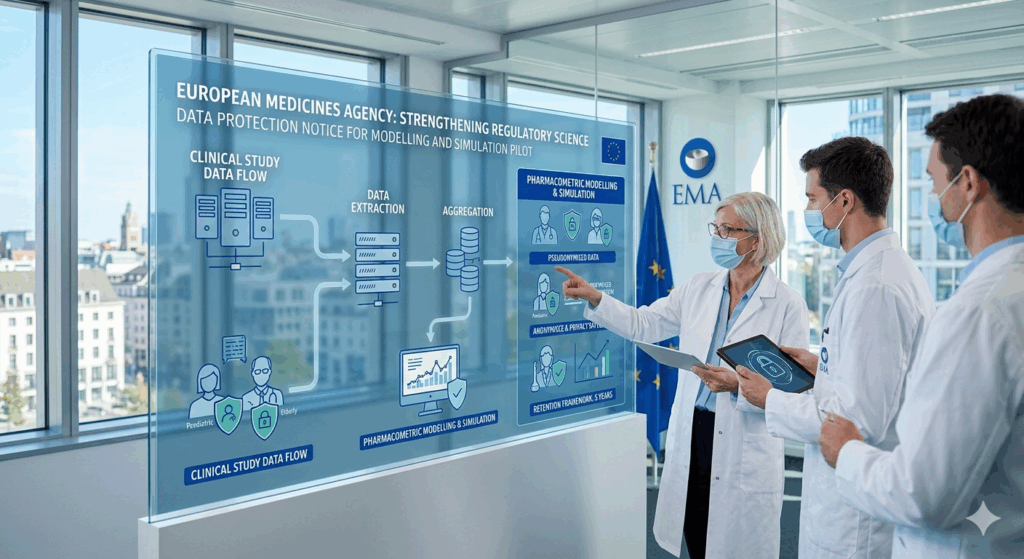
European Medicines Agency Strengthens Regulatory Science Through New Data Protection Notice for Modelling and Simulation Pilot
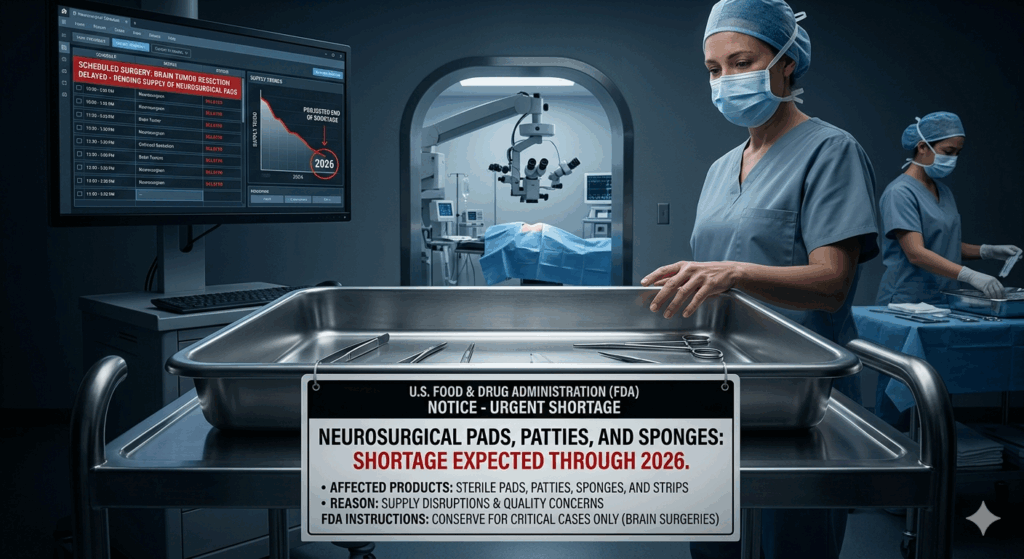
US FDA Flags Shortage of Neurosurgical Pads and Sponges, Expects Disruption Through 2026
What’s Missing in Today’s AI Drug Repurposing Strategy?